Two clear spirits, two small glasses, very different aromas. Tequila and mezcal share an agave connection, but the names identify distinct regulated drinks. The useful comparison starts with the plant, the place and the way each producer works.
Start with the agave
Tequila uses Agave tequilana Weber blue variety. Mezcal can use other agave species. Espadín is a familiar starting point, while bottles may also name varieties such as tobalá or tepeztate. Local plant names deserve a little curiosity: ask which species the producer means.
The Tequila Regulatory Council explains tequila's raw material and classification. An agave ingredient alone does not make a spirit tequila.
Production shapes the comparison
Cooking, milling, fermentation and distillation all influence what reaches the glass. Equipment and materials vary. Underground roasting is associated with many mezcals, but it is not a universal description of every bottle.
Mexico's mezcal standard, NOM-070-SCFI-2016, separates mezcal, artisanal mezcal and ancestral mezcal according to permitted production methods. Those categories describe a process; they do not rank your enjoyment.
Is mezcal always smoky?
Smoke can be part of the picture. It can also leave room for fruit, herbs, earth or floral notes. Treat tasting language as a way to describe a particular glass, rather than a checklist every mezcal must satisfy.
Read the bottle before choosing
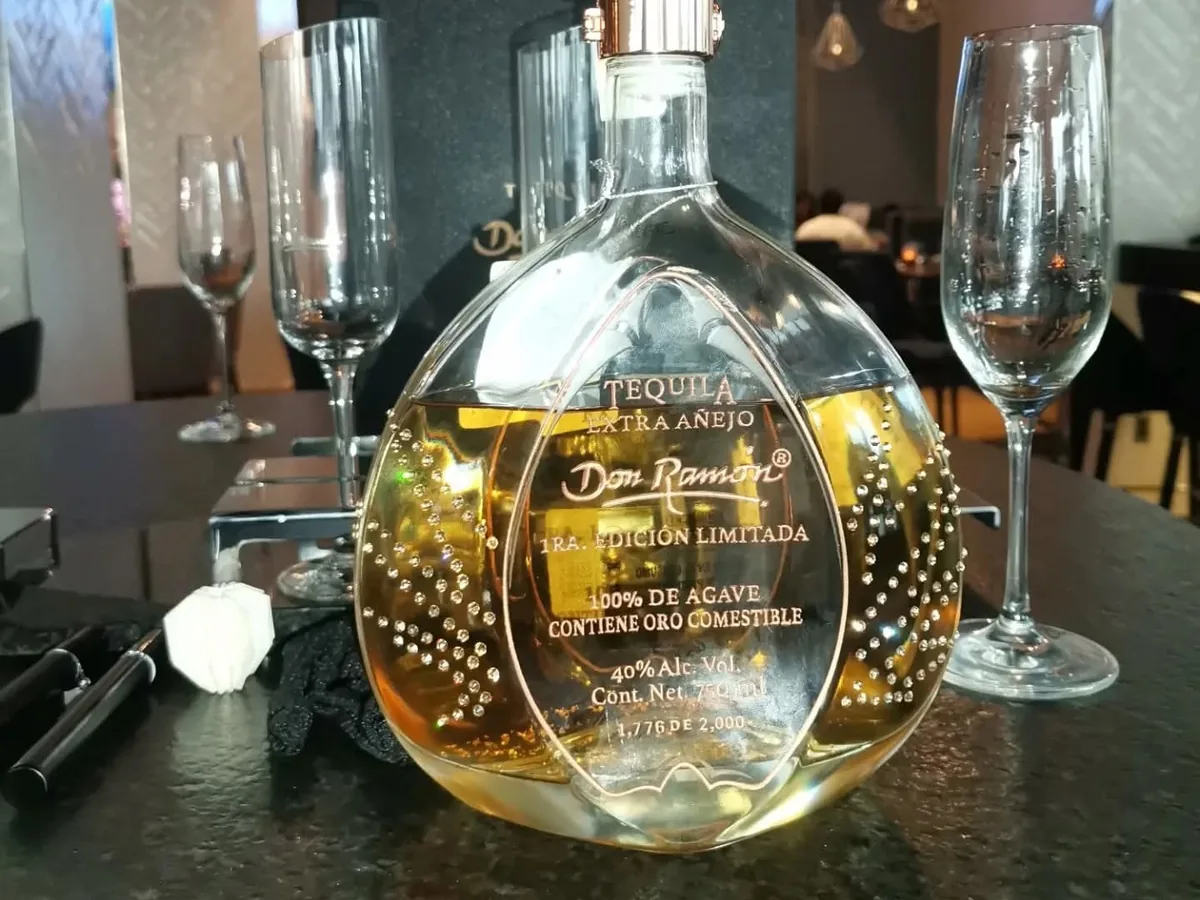
Look for the agave, place of production, category, producer and alcohol percentage where stated. For tequila, blanco, reposado and añejo tell you something different from the words “100% agave.” One describes a class; the other identifies the source of fermentable sugars.
Which works in a cocktail?
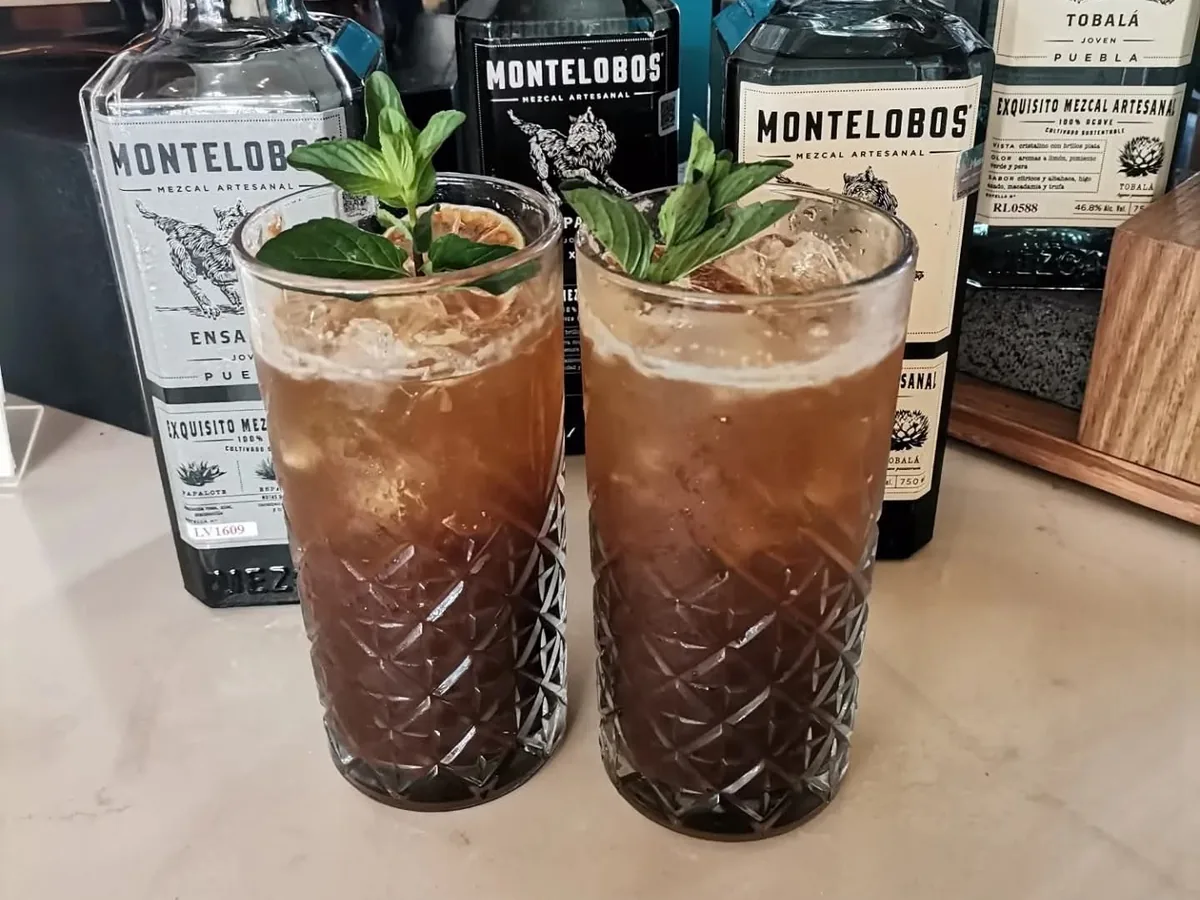
Choose the role you want the spirit to play. A bright agave profile may suit a citrus drink; a more assertive bottle may need less competition from other ingredients. Test the recipe instead of swapping bottles and assuming the result will stay balanced.
For a first comparison, take small pours and leave time between them. A guided tequila tasting can help you connect the label with the glass. The aim is to notice differences and find words for what you enjoy.